
Understanding Malaysia’s Economic Corridors
Practical guides on regional development, disparity patterns, and what the 12th Malaysia Plan means for growth across Peninsular Malaysia, Sabah, and Sarawak
Why Regional Corridors Matter
Economic corridors aren’t just infrastructure projects — they’re the backbone of how Malaysia distributes growth. We’ve seen dramatic success in some areas like Iskandar Malaysia, while other regions still struggle to catch up. Understanding these patterns isn’t abstract economics. It’s about real communities, real jobs, and real investment flowing (or not flowing) to different parts of the country.
The gap between developed and developing regions didn’t appear overnight. It’s the result of decades of policy choices, investment patterns, and geographic advantages. We’re breaking down what’s actually happening in Peninsular Malaysia’s corridors, why East Malaysia’s development lags behind, and what recent policy shifts might change.

Understanding Malaysia’s Economic Corridors
Detailed analysis of how development is distributed across the country
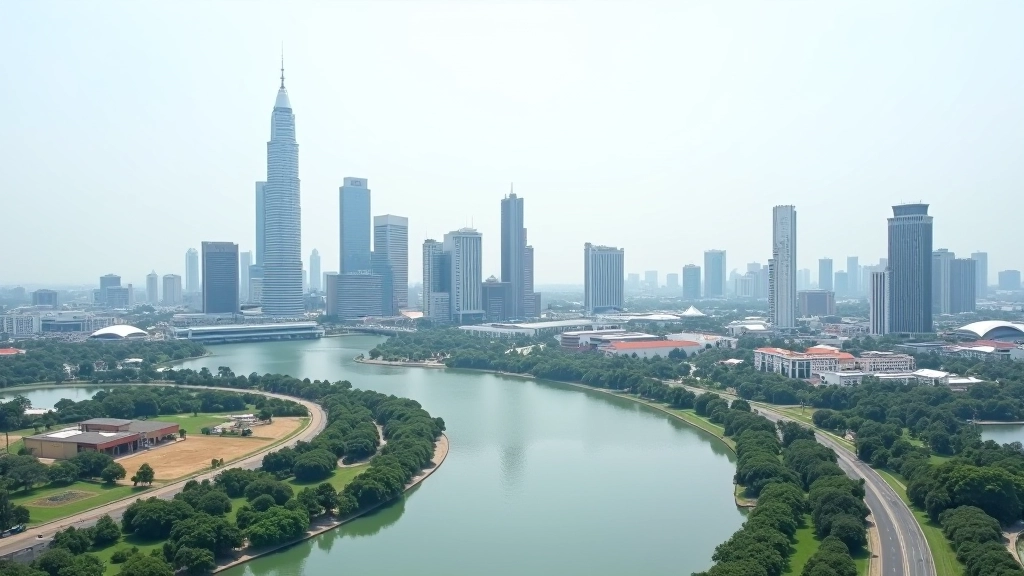
Iskandar Malaysia: Growth Patterns and Investment Performance
How the southern corridor became Malaysia’s fastest-growing economic zone and what it reveals about regional development strategies.
Read Analysis
ECER Corridor: Understanding East Coast Development Reality
Breaking down the East Coast Economic Region’s actual performance metrics and where development has concentrated versus expectations.
Explore ECER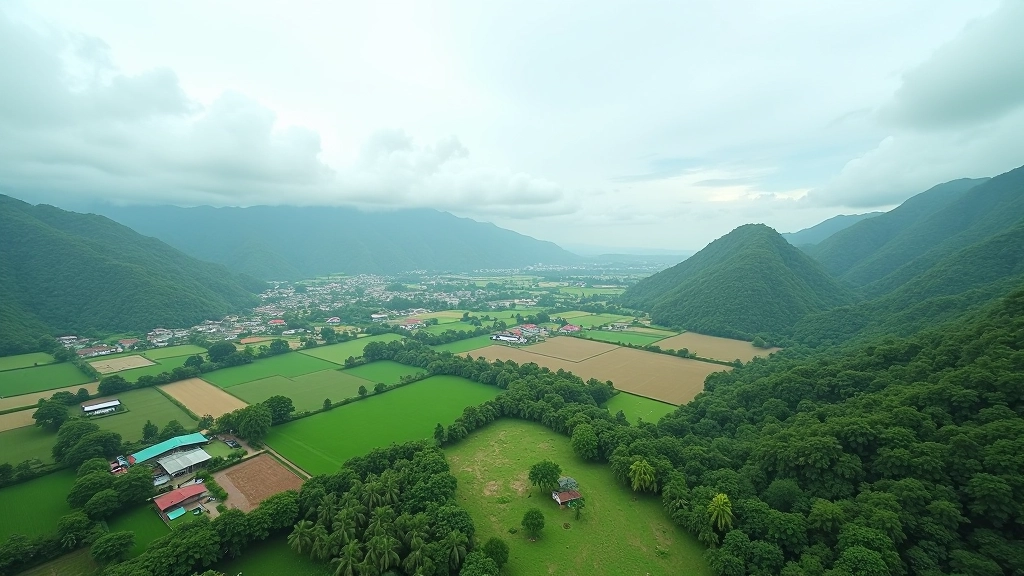
Sabah and Sarawak: Bridging the Development Gap
Why East Malaysia’s development lags behind Peninsular Malaysia and what recent policy shifts mean for regional equity.
Learn MoreThe Regional Disparity Story
Malaysia’s economic growth hasn’t been evenly distributed. Here’s what the numbers reveal:
Iskandar Malaysia
The southern corridor has attracted massive foreign direct investment and become a magnet for regional talent. Growth rates here outpace the national average by significant margins.
ECER Performance
East Coast development focused heavily on specific sectors. Results have been mixed — some areas thrived while others remained peripheral to the main growth story.
Rural-Urban Migration
As jobs concentrate in corridor zones, people migrate toward opportunity. This shift has transformed settlement patterns and created new challenges in both urban and rural areas.
Sabah & Sarawak Gap
East Malaysia remains significantly behind Peninsular Malaysia in per-capita income and infrastructure development. Recent initiatives aim to narrow this persistent gap.
Infrastructure Connectivity
Corridors thrive where connectivity is strong. Areas with better roads, ports, and digital infrastructure attract more investment and generate higher economic activity.
Skill Distribution
Corridors concentrate educated workforces. This creates a feedback loop where skilled professionals move toward established economic zones, deepening regional disparities.
How to Navigate This Guide
We’ve organized everything into practical sections so you can understand corridor economics at your own pace
Understand Corridor Basics
Start with what economic corridors actually are, how they function, and why governments invest in them. We break down the economic logic without the jargon.
Explore Regional Performance
Dive into specific corridors — Iskandar Malaysia, ECER, and others. See real data on investment flows, employment, and infrastructure development across regions.
Analyze Disparity Patterns
Understand why some areas thrive while others lag. We examine geographic factors, policy choices, and structural barriers that create regional gaps.
Review the 12th Malaysia Plan
See how recent policy allocates resources across regions. We translate government plans into what they mean for actual development on the ground.
Common Questions About Malaysian Corridors
Quick answers to help you get oriented
What exactly is an economic corridor?
An economic corridor is a geographic area where governments concentrate infrastructure investment to attract businesses and talent. It’s basically a zone designed to become an economic engine — with better roads, ports, digital connectivity, and incentives for companies to set up operations there.
Why doesn’t growth spread evenly across Malaysia?
Growth concentrates where conditions favor it — existing infrastructure, proximity to ports, available skilled labor, and past investment create momentum. Once a region starts developing, it attracts more investment, which attracts more people and businesses. Meanwhile, areas without these initial advantages struggle to catch up.
How has Iskandar Malaysia become so successful?
Iskandar benefited from deliberate government policy, proximity to Singapore, port facilities, and early foreign investment. These factors created a snowball effect. Once companies started arriving, more companies followed. It’s now the country’s most developed economic zone outside Kuala Lumpur.
What’s the actual situation in East Malaysia?
Sabah and Sarawak lag significantly behind Peninsular Malaysia in income levels and infrastructure. Distance from major markets, smaller populations, and less historical investment created a development gap that’s proven difficult to close. Recent initiatives aim to change this, but progress has been slower than hoped.
Is rural-urban migration a problem or natural development?
It’s both. People moving toward job opportunities is natural economic behavior. But rapid migration strains urban services and can leave rural areas underpopulated. The real question is whether policies can manage this transition and ensure rural areas still develop.
What does the 12th Malaysia Plan actually propose?
The 12th Plan (2021-2025) prioritizes inclusive growth and reducing regional disparities. It allocates resources toward East Malaysia, rural development, and diversifying economies beyond corridor-dependent sectors. Success depends on implementation and whether regions can attract the intended investment.
Rural-Urban Migration and Economic Impact
When economic corridors concentrate jobs and opportunity, people follow. This isn’t new — it’s happened in every developing country. But it creates real challenges.
Cities gain young, ambitious workers. Rural areas lose population and tax base. Some rural regions have shrunk dramatically as their youth moved toward corridor cities. We examine what this migration means for regional inequality, urban planning, and rural sustainability.
The 12th Malaysia Plan recognizes this challenge. It’s trying to spread opportunity more evenly so people don’t have to leave their regions to find good jobs. Whether that works depends on whether corridors outside the major zones can attract real investment.

What You’ll Learn Here
This guide provides everything you need to understand Malaysia’s regional economic story
Detailed Corridor Analysis
We’ve broken down each major corridor — Iskandar, ECER, and others — with actual data on investment, employment, and infrastructure.
Regional Disparity Metrics
See the numbers that show why some regions are wealthy while others struggle. We compare per-capita income, infrastructure spending, and investment flows.
Policy & Planning Overview
Understand the 12th Malaysia Plan and how government allocates resources. We translate policy documents into what they actually mean for development.
Human Impact Stories
Regional economics affects real people. We examine how corridor development and migration patterns impact communities across Malaysia.
Strategic Insights
What are the lessons from successful corridors? Where are policy gaps? We provide analysis on what works and what needs improvement.
Practical Applications
Whether you’re researching for academic work, business planning, or policy analysis, we provide frameworks for understanding regional economics.
Ready to Explore Malaysian Corridors?
We’ve organized everything to help you understand how regional development works. Start with any corridor that interests you, or work through our structured guides.